

Author: Steve Rothenberg
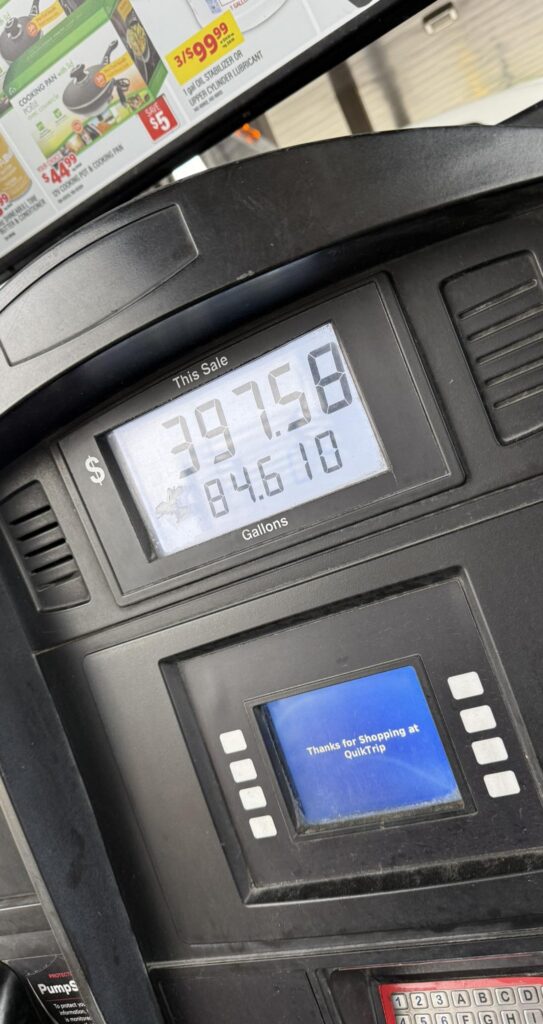
As the U.S. – Iran war continues, gas prices have reached a 4-year high. The national average for a gallon of regular gasoline had lowered in 2025 ($3.17 in April 2025) from 2024 ($3.61in April, 2024). Prices fell further at the beginning of 2026 ($2.81 in January, 2026). However, now, April, 2026, we are seeing average prices of $4.22, with no sign of decline.
Vehicle purchases, maintenance, and fuel combine to be one of the top five expenses for an amusement rental company (along with insurance, labor, warehouse / office space, and equipment purchases), this gas price increase has caused many owners to think about their delivery fees. One of the most overlooked areas impacted by rising fuel costs is delivery pricing. The question is, how are you currently structuring your delivery fees?
When determining your company’s delivery fees, are you playing the A) “being competitive with my competitors” game; B) charging as a loss-leader line item; C) passing on actual costs to your customers; or D) cover costs plus some profit (like you do with rental items and other expenses)?
Matching a competitor’s delivery fee, can be tricky, as your expenses could be significantly different from your competitor’s (ex: working out of their home vs. you working out of an office / staff pay rates, etc).
Some costs to consider when delivering equipment to your customers:
• Fuel costs / gas price per gallon
• How many miles per gallon does vehicle actually get (varies depending on type of vehicle and if pulling a trailer)
• Automobile Insurance premium (divide annual premium by number of deliveries per year)
• Inland Marine Insurance premium (divide annual premium by number of deliveries per year)
• Labor cost (take average labor hour(s) per delivery multiplied by hourly labor rate)
• Vehicle maintenance and repairs (divide annual total cost by number of deliveries per year)
• Rental truck / trailer costs (divide annual total cost by number of deliveries per year)
• Tolls
• What would a customer have to pay in rental trucks and/or labor if they had to deliver these items themselves
Once you know your actual costs, you can make an educated decision on how to charge your customers – whether to consider delivery fees as a known loss-leader, at a rate to recover most if not all costs, or at a reasonable profit.
Companies should evaluate their delivery fees regularly (quarterly, semi-annually, or at a minimum annually) to make sure operational costs have not changed significantly and fees remain competitive.
Delivery isn’t just a cost, it’s a service. You’re saving the customer time, labor, logistics, headaches, and risk. That has real value. Being competitive shouldn’t mean providing service at a loss.